North Texas Winter Irrigation Guide: What Homeowners Need to Know
North Texas winters may not bring heavy snowfall, but they absolutely bring challenges for irrigation systems. Between sudden hard freezes, unpredictable temperature swings, and long stretches of dry winter weather, homeowners often underestimate just how much attention their sprinkler systems need during the colder months.
Ellis Landscape Services works with homeowners and businesses across Dallas–Fort Worth to prevent freeze damage, protect irrigation infrastructure, and keep landscapes healthy year-round. This guide covers what makes winter irrigation unique in North Texas, and how to keep your system running smoothly even when the temperatures drop.
Why Winter Irrigation Still Matters in North Texas
Many homeowners assume that once winter arrives, irrigation can be completely turned off until spring. But in North Texas, winter is a dry season, one marked by low humidity, minimal rainfall, and frequent cold fronts that pull moisture from the soil. Even when turf and plants appear dormant, their root systems remain active and require consistent hydration to stay healthy.
Without proper winter watering, plants become more vulnerable to stress and winter injury. Dry roots are less insulated, making them far more susceptible to freezing temperatures. Even worse, prolonged dryness during winter can lead to delayed spring greening, weak growth, and long-term decline.
The Role of Winter Watering
- Dry soil freezes faster. When soil lacks moisture, it loses heat rapidly, increasing the likelihood of freeze injury to turf and roots.
- New landscapes need moisture to survive. Newly planted trees, shrubs, and sod rely on steady hydration so their root systems can continue establishing through the cooler months.
- Evergreens keep working all winter. Plants like hollies, cedars, and junipers still transpire and lose moisture in winter, meaning they must replenish what they lose.
- Wind exposure accelerates moisture loss. North Texas winter winds can strip soil of surface moisture, leaving landscapes drier than homeowners expect.
A well-timed winter watering schedule improves soil insulation, protects root systems against freeze-thaw cycles, and ensures plants enter spring stronger, greener, and less stressed. Without it, landscapes may struggle to recover once temperatures warm up, leading to costly repairs or replacement in the spring.
Common Winter Irrigation Problems in North Texas
Even though North Texas doesn’t experience prolonged deep freezes like northern states, the region is known for sharp temperature drops that arrive suddenly and without warning. These rapid swings are what cause the majority of irrigation-related damage. When systems aren’t properly insulated, drained, or monitored, a single night of subfreezing temperatures can lead to expensive and widespread repairs.
1. Freeze-Damaged Backflow Preventers
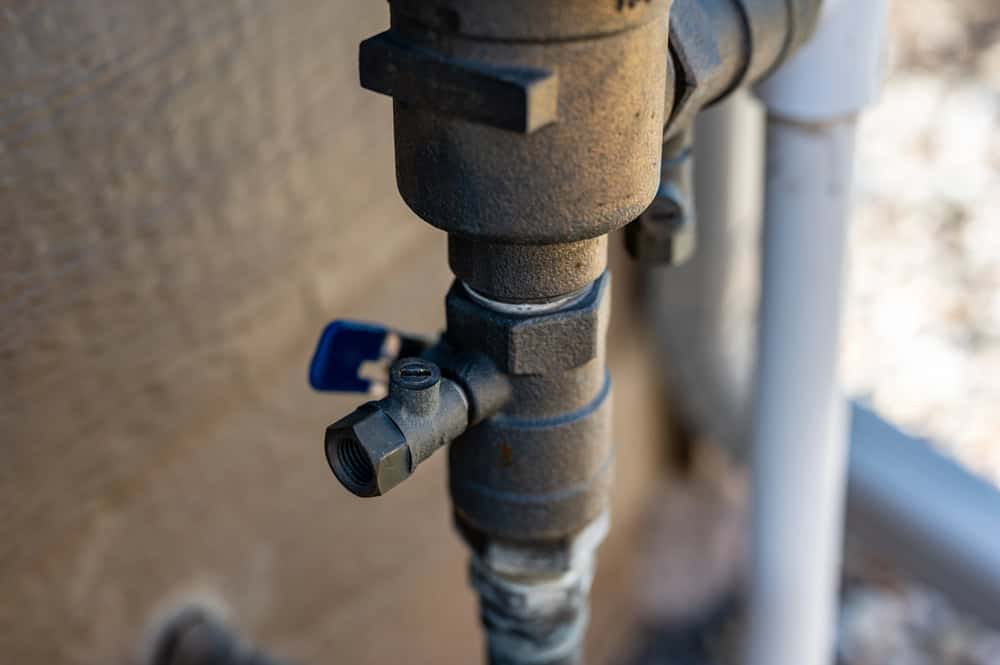
Backflow preventers are among the most vulnerable components of any irrigation system. Because they sit above ground and contain standing water, they are the first part to fail during a freeze. When temperatures drop, water inside the brass valve expands, which can:
- Crack the brass housing
- Burst fittings or unions
- Damage internal springs and check valves
Even minor cracks can cause major leaks once the system is pressurized again. Ellis frequently replaces backflows after sudden hard freezes, especially when homeowners didn’t have time to insulate them properly.
2. Broken or Cracked PVC Lines
PVC piping becomes brittle in cold weather. Any water left in the lines can freeze and expand, creating fractures beneath the soil surface. These breaks often go unnoticed until spring, when homeowners discover:
- Low pressure across certain zones
- Soggy areas in the lawn
- High water bills due to concealed leaks
In older systems or shallowly buried systems, freeze-related damage is even more common.
3. Malfunctioning Controllers After Freeze Events
Many North Texas homeowners experience power outages during winter cold fronts. When controllers lose power, they may reset to default settings or lose important programmed schedules. This can lead to:
- Overwatering during cold conditions
- Missed winter watering cycles
- Disabled rain or freeze sensors
Smart controllers can help mitigate this, but even they need periodic checks after weather events.
4. Stuck or Broken Sprinkler Heads
As soil freezes and expands, it can shift sprinkler heads out of alignment. Frozen water trapped inside the head can also cause:
- Cracked housings
- Broken risers
- Heads that remain stuck in the down position
These issues not only affect irrigation coverage but can also contribute to leaks once temperatures rise.
Ellis technicians see these problems most often after unexpected hard freezes: temperature dips that occur too quickly for homeowners to prepare. Proactive inspections, insulation, and system adjustments make a significant difference in preventing mid-winter failures.
Freeze Protection: What Every North Texas Irrigation System Needs
North Texas weather may be unpredictable, but preparing your irrigation system for winter doesn’t have to be. Freeze protection is all about preventing water inside the system from expanding, freezing, and causing costly damage. These steps form the foundation of winter irrigation safety and dramatically reduce the risk of repairs in late winter or early spring.
Insulate the Backflow Preventer
The backflow preventer is the heart of your irrigation system’s safety, and the most vulnerable component during freezing temperatures. Because it sits above ground, it is directly exposed to cold air and wind, making it the first part to crack when temperatures plunge.
Proper protection includes:
- Using thick, commercial-grade insulation bags designed for outdoor freeze protection.
- Wrapping all exposed pipes with foam insulation sleeves to prevent heat loss.
- Adding a weatherproof cover or tarp to block wind chill, which accelerates freezing.
Even a small crack can lead to significant leaks and expensive replacements. Ellis technicians stress that proper insulation can save homeowners thousands of dollars in preventable damage.
Use a Freeze Sensor or Smart Controller
Modern irrigation technology offers valuable protection against freeze-related mishaps.
A freeze sensor automatically shuts down the system when temperatures drop near freezing, reducing the risk of ice buildup on lawns, hardscapes, and roadways.
Smart controllers provide even more advanced freeze protection by:
- Monitoring real-time weather conditions
- Pausing irrigation during cold fronts or freeze warnings
- Adjusting watering schedules seasonally to prevent over- or under-watering
These tools give homeowners peace of mind, especially during unpredictable weather swings.
Turn Off the System Before Major Freezes
Unlike northern regions where full winterization and blowing out lines is standard, North Texas systems typically only need partial winterization. Still, temporarily shutting down the system before expected hard freezes can prevent widespread damage.
This includes:
- Turning off the controller or setting it to “rain/freeze mode”
- Shutting off the main irrigation valve
- Opening test cocks to relieve static pressure
These small steps allow remaining water to settle safely, reducing the risk of frozen, burst lines.
Ellis Landscape Services often performs these shutdowns ahead of severe cold fronts to help homeowners avoid emergency repairs and ensure their systems start up smoothly in spring.
Should You Fully Winterize Your Sprinkler System?
Because North Texas typically experiences short-duration freezes instead of prolonged deep freezes, full winterization (using compressed air to blow out every zone) isn’t always mandatory. However, there are several situations where a full seasonal shutdown is not only recommended, but can prevent significant damage.
Even one night of subfreezing temperatures can cause trapped water inside pipes or valve assemblies to expand and rupture. Full winterization clears the system completely, eliminating this risk and giving homeowners peace of mind during hard freezes.
Full Winterization Is Recommended If:
- Your irrigation system has exposed piping. Systems with above‑ground runs or shallow pipe installation are far more vulnerable to freezes.
- You have an older irrigation system. Aging PVC becomes brittle, making it more likely to crack during cold snaps.
- You’ve had freeze-related damage in previous years. A history of repairs is a strong sign that the system may benefit from full winterization.
- Your backflow preventer is in a poor location or improperly installed. Units placed too high, too exposed, or too close to wind corridors freeze much faster.
- Your property is in an open, high-wind area. Wind chill accelerates pipe freezing, even when air temperatures hover just below 32°F.
- You’re leaving home for an extended period during winter. If you won’t be available to shut off the system ahead of a freeze, a total blow‑out offers the safest protection.
Why Full Winterization Matters
Full winterization:
- Eliminates internal water before freezes
- Helps prevent pipe ruptures under slabs or turf
- Reduces emergency repair costs
- Extends the lifespan of valves, pipes, and fittings
While not every North Texas property requires it, full winterization is a smart preventative service for systems with increased exposure or risk.
Ellis Landscape Services can inspect your irrigation system and determine whether a complete seasonal shutdown is necessary. Our team evaluates your system’s layout, age, exposure, and past issues to recommend the safest, most cost‑effective winter strategy for your property.
Winter Watering Guidelines for North Texas Homeowners
Even during winter, most landscapes benefit from occasional watering. North Texas soils dry out quickly due to low humidity, gusty winds, and long stretches without rainfall. Winter watering supports root health, prevents freeze injury, and strengthens your landscape for spring growth.
How Often Should You Water?
Watering frequency depends on temperature, wind, and soil moisture conditions.
- Every 2–4 weeks during dry winter periods keeps root zones hydrated without oversaturating the soil.
- More often for new installations, including recently planted trees, sod, and shrubs, because developing root systems are more vulnerable to cold and dehydration.
- Never water during a freeze event or when soil is wet, as excess water can lead to ice buildup or suffocation of roots.
Monitoring soil moisture with a simple probe or screwdriver test helps determine when additional watering is needed.
Best Time of Day
Winter watering timing is critical.
- Water between 10 AM and 2 PM, when temperatures rise above freezing and the sun helps water soak into the soil.
- Avoid early morning or evening watering, as temperatures can drop quickly and turn water to ice on turf or hardscapes.
This midday window reduces freeze risk while still providing enough time for soil absorption.
What Should You Prioritize?
Some plants need winter moisture more than others.
- Newly planted landscapes: Their roots are still establishing and require consistent hydration.
- Evergreens: Hollies, cedars, junipers, and magnolias keep their foliage year-round and lose moisture even in winter.
- Shallow-rooted shrubs: Plants like azaleas, hydrangeas, and abelias are more sensitive to dry soil and rapid temperature swings.
- Flowerbeds with drying mulch: Mulch protects roots, but once it dries out completely, it loses insulating performance.
Prioritizing these areas ensures your most vulnerable plants stay protected.
Protecting Your Landscape Through Freeze-Thaw Cycles
North Texas frequently experiences weather patterns where a hard freeze at night is followed by warm daytime temperatures. These freeze-thaw cycles stress plants by expanding and contracting the soil and root tissues.
Tips to Mitigate Freeze-Thaw Stress
- Keep soil evenly moist (not soggy): Moist soil retains heat better and insulates roots during temperature drops.
- Add fresh mulch: A 2–3 inch layer of mulch stabilizes soil temperature and protects root zones from rapid freezing.
- Avoid pruning until late winter: Pruning too early exposes tender plant tissue to freeze damage.
- Monitor irrigation for leaks after cold snaps: Freezing and thawing can shift pipes and sprinkler heads, leading to hidden leaks or low-pressure areas.
By following these winter watering practices, homeowners can significantly improve plant resilience and reduce the risk of winter-related stress or dieback.
How Ellis Landscape Services Prepares Your System for Winter
Ellis provides comprehensive winter irrigation services designed specifically for North Texas’ unpredictable climate.
Our Winter Irrigation Services Include:
- Full system inspection
- Leak detection and repairs
- Backflow insulation and protection
- Freeze sensor installation
- Seasonal controller adjustments
- System shut-down or partial winterization
Why Choose Ellis for Winter Irrigation?
- We understand North Texas soil and climate conditions
- We service residential and commercial properties of all sizes
- Our technicians are trained in freeze-prevention best practices
- We offer ongoing maintenance plans to prevent seasonal damage
Preparing for Spring: Why Winter Irrigation Matters
The work done during winter directly impacts how your landscape performs once warmer temperatures return. In North Texas, where winter dryness and sharp temperature swings can quietly stress plants, consistent winter irrigation is one of the most important steps homeowners can take to set their landscapes up for success.
Healthy spring landscapes don’t happen by accident; they begin with the moisture, insulation, and root protection provided months earlier.
How Proper Winter Irrigation Helps Your Landscape
- Reduce plant stress: Adequately watered roots are better able to withstand cold snaps and recover quickly from winter dormancy.
- Prevent root dehydration: Even dormant plants continue to lose moisture. Winter watering keeps roots from drying out, especially in windy or low-humidity conditions.
- Protect against winter dieback: When soil is completely dry, roots become more vulnerable to freeze injury. Moist soil offers a natural insulating effect.
- Promote stronger spring growth: Well-hydrated plants have a head start when temperatures warm, resulting in earlier greening, fuller foliage, and improved vigor.
- Reduce early-season irrigation repairs: Winter watering helps maintain soil stability, minimize freeze-thaw shifting of irrigation components, and prevent damage that could show up in spring.
The Bottom Line
A healthy, vibrant spring landscape starts long before spring arrives. By maintaining thoughtful winter irrigation practices, homeowners ensure their lawns, trees, and shrubs wake up stronger, grow more vigorously, and require fewer repairs and replacements when the season changes.
Ready to Protect Your Irrigation System This Winter?
Ellis Landscape Services is here to help homeowners across North Texas prevent costly freeze damage and maintain healthy landscapes through the colder months. Whether you need a winter tune-up, freeze sensor installation, or a full irrigation assessment, our team is ready to assist.
Schedule your winter irrigation service today and keep your North Texas landscape protected all season long.
Ready to Protect Your Landscape This Winter?
Winter irrigation isn’t just a precaution—it’s a critical part of maintaining a healthy, thriving North Texas landscape. Whether you need a seasonal inspection, freeze protection upgrades, or a full irrigation assessment, Ellis Landscape Services is here to help.
Schedule your winter irrigation service today to safeguard your system and set your landscape up for its strongest spring yet.