Protecting Stonework and Pavers During Freeze–Thaw Cycles
Freeze–thaw cycles are one of the most damaging yet misunderstood weather patterns affecting hardscapes in North Texas. In Tarrant and Dallas Counties, winter does not bring prolonged deep freezes. Instead, the region experiences fluctuating temperatures where daytime warmth is followed by overnight freezing. These rapid shifts place tremendous stress on stonework, pavers, and masonry surfaces, making freeze thaw damage pavers Texas homeowners one of the most common winter hardscape concerns.
Stone patios, walkways, retaining walls, and driveways are designed to be durable, but they are not immune to environmental stress. When moisture infiltrates joints, bedding layers, or microscopic pores in stone, freezing temperatures cause that moisture to expand. As temperatures rise again, the ice melts, leaving voids that weaken the structure. Repeated over time, this cycle leads to cracking, shifting, spalling, and joint failure.
January is a critical month for addressing these risks. Understanding how freeze–thaw cycles impact hardscapes and how to protect stonework during winter helps property owners preserve both the beauty and integrity of their outdoor investments.
Understanding Freeze–Thaw Cycles in North Texas
Freeze–thaw cycles occur when temperatures move above and below freezing within a short period. In North Texas, this pattern is common from December through February, especially during January cold fronts.
Unlike northern climates where ground stays frozen for long periods, North Texas experiences:
- Mild daytime temperatures
- Overnight freezes
- Sudden winter rain events
- Rapid soil temperature changes
These conditions are particularly harsh on hardscapes because moisture rarely remains frozen long enough to stabilize. Instead, water repeatedly expands and contracts beneath and within stonework, accelerating deterioration.
Why Stonework and Pavers Are Vulnerable
Stone and concrete materials may appear solid, but they are inherently porous. Even dense natural stone contains microscopic voids that allow water to penetrate.
Common vulnerable areas include:
- Paver joints filled with sand
- Mortar joints in masonry
- Bedding sand beneath pavers
- Soil base layers
- Cracks or chips in stone surfaces
When water enters these spaces and freezes, it expands by approximately nine percent. That expansion exerts pressure outward, slowly prying materials apart. Over multiple freeze–thaw events, this pressure compounds, leading to visible and structural damage.
Early Warning Signs of Freeze–Thaw Damage
Identifying damage early allows for corrective action before costly repairs are required. In January, homeowners should inspect hardscapes for subtle signs of stress.
Common indicators include:
- Hairline cracks in pavers or stone slabs
- Uneven surfaces or slight lifting
- Loose or washed-out joint material
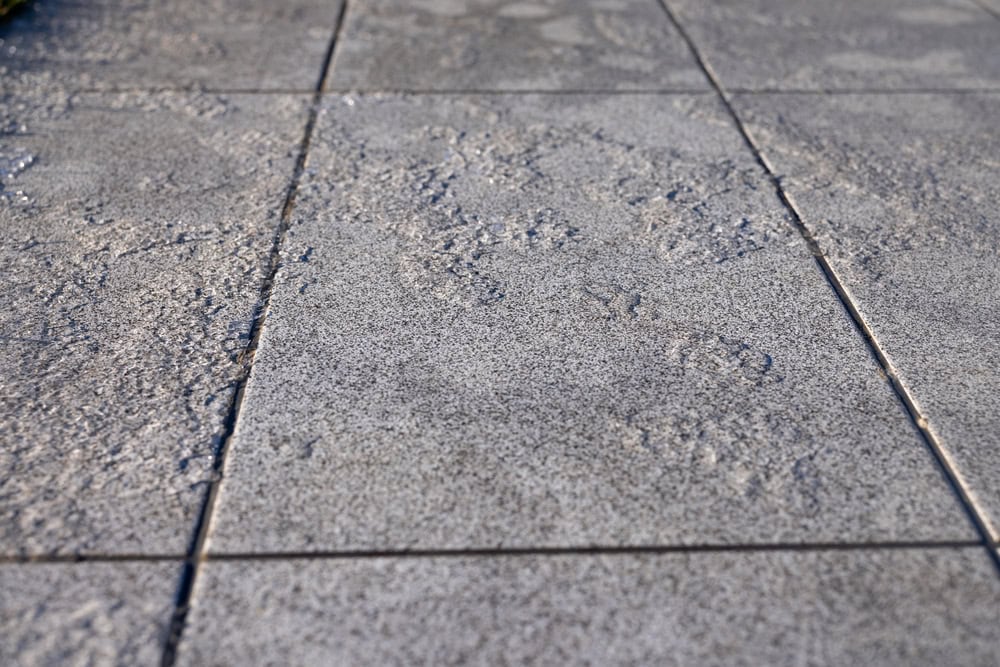
- Flaking or surface scaling on stone
- Water pooling in new areas
These symptoms often worsen during late winter and early spring if not addressed promptly.
How Improper Drainage Accelerates Damage
Drainage plays a critical role in preventing freeze thaw damage pavers Texas properties frequently experience. Standing water or slow-draining soil dramatically increases moisture exposure.
In clay-heavy soils common throughout Tarrant and Dallas Counties, water drains slowly and remains trapped beneath hardscapes. When temperatures drop, that trapped moisture freezes, causing upward pressure that leads to heaving and separation.
Proper drainage design should:
- Direct water away from hardscape surfaces
- Prevent saturation beneath stonework
- Allow moisture to escape before freezing
This is why Drainage Solutions are often the foundation of effective winter hardscape protection.
The Role of Professional Installation
Many freeze–thaw failures originate from improper installation rather than material defects. A poorly prepared base or incorrect slope can turn minor winter weather into major damage.
Professional stone and masonry installation includes:
- Proper excavation depth
- Compacted base layers
- Correct slope for runoff
- Edge restraints to prevent shifting
- Joint materials suited for local conditions
When these elements are missing or improperly executed, freeze–thaw cycles exploit weaknesses quickly.
Sealing Stonework for Winter Protection
One of the most effective ways to protect stonework winter conditions bring is professional sealing. Sealants reduce water absorption while allowing vapor to escape.
Benefits of sealing include:
- Reduced moisture penetration
- Protection against staining
- Enhanced color consistency
- Improved resistance to spalling
Sealants should be selected based on material type and applied under appropriate conditions. January inspections can determine whether resealing is necessary before additional winter weather.
Joint Stabilization and Maintenance
Paver joints are one of the most vulnerable components during freeze–thaw cycles. Traditional joint sand can wash out or absorb water easily.
Modern solutions include polymeric joint materials that harden when activated, reducing erosion and moisture infiltration. Properly maintained joints help keep pavers locked in place and distribute pressure evenly.
Winter maintenance includes:
- Replacing missing joint material
- Removing debris that traps moisture
- Ensuring joints remain intact
Snow, Ice, and Deicing Products
Although snowfall is infrequent in North Texas, ice events are common. Deicing products used improperly can accelerate damage.
Salt-based deicers can:
- Break down surface finishes
- Increase moisture absorption
- Damage joint materials
Safer alternatives include calcium magnesium acetate or sand for traction. Using the right products reduces chemical stress on stonework during winter events.
Retaining Walls and Vertical Stone Structures
Freeze–thaw cycles affect more than flat surfaces. Retaining walls and vertical masonry features face lateral pressure from expanding soil.
Proper wall construction includes:
- Drainage behind walls
- Weep holes for moisture release
- Reinforced foundations
January inspections should focus on bulging, cracking, or separation in vertical stone features, as these indicate underlying moisture issues.
The Importance of Seasonal Inspections
Regular inspections help prevent minor issues from becoming major repairs. January is ideal because vegetation is minimal and damage is easier to spot.
Professional inspections assess:
- Surface integrity
- Drainage performance
- Joint condition
- Base stability
Addressing vulnerabilities early protects stonework through the remainder of winter and into spring.
Long-Term Strategies for Freeze–Thaw Resistance
Protecting stonework is not a one-time task. Long-term durability requires an integrated approach.
Effective strategies include:
- Upgrading drainage systems
- Using freeze–thaw rated materials
- Maintaining joints and sealants
- Scheduling periodic professional assessments
When combined, these measures significantly reduce the risk of recurring damage.
Why North Texas Properties Require Specialized Care
The unique climate of Tarrant and Dallas Counties demands region-specific solutions. Hardscapes must withstand extreme heat, heavy rain, and winter freeze–thaw cycles.
Generic installation methods used in other regions often fail here. Local expertise ensures materials and techniques are suited to North Texas conditions.
How Stone & Masonry Services Add Value
Professional Stone & Masonry Services provide more than aesthetics. They deliver structural integrity and climate resilience.
Experienced professionals understand how to:
- Select appropriate stone materials
- Engineer proper base systems
- Integrate drainage solutions
- Protect investments year-round
This expertise is essential for long-term performance.
Preparing for Spring by Protecting Hardscapes in Winter
Winter care directly impacts spring readiness. Hardscapes that survive freeze–thaw cycles intact require fewer repairs and allow landscaping projects to proceed smoothly.
January maintenance ensures patios and walkways are ready for increased use as temperatures rise.
Final Thoughts
Freeze–thaw cycles are an unavoidable part of North Texas winters, but damage is not inevitable. With proper planning, installation, and maintenance, stonework and pavers can withstand seasonal stress.
Understanding how moisture, temperature, and soil interact allows property owners to take proactive steps. Protecting stonework during winter preserves both appearance and structural integrity, safeguarding your investment for years to come.
If you are concerned about freeze thaw damage pavers Texas winters can cause, now is the time to act. Our team specializes in Stone & Masonry Services designed for North Texas conditions, supported by proven Drainage Solutions. Schedule a professional evaluation this winter to protect your stonework and ensure lasting performance.