Preparing Outdoor Living Spaces for Winter in North Texas
North Texas winters may be milder than other regions, but unpredictable temperature swings, freeze–thaw cycles, and dry spells can take a toll on outdoor living areas. Whether you enjoy a custom patio, pergola, fire pit, or full outdoor kitchen, preparing these spaces for winter protects your investment and keeps everything ready for spring.
This guide covers essential steps for winterizing outdoor living spaces in Texas, including patio furniture protection, maintenance tips, material considerations, and seasonal landscaping strategies that support both functionality and aesthetics.
Understanding North Texas Winter Challenges
While snow is rare, North Texas still faces several winter stressors that affect outdoor spaces:
- Sudden overnight freezing
- Extended dry periods
- High winds
- Occasional ice storms
- Temperature fluctuations of 30–40 degrees in a single day
These conditions can damage surfaces, weaken outdoor structures, and cause premature aging of hardscape and landscape materials. Preparing early reduces wear and prolongs the life of your outdoor investments.
Protecting Patio Furniture in North Texas Winters
Even high-quality outdoor furniture requires seasonal protection. Freezes, UV exposure, and moisture can degrade wood, fabric, metal, wicker, and stone materials.
1. Clean and Prep Before Covering
Before winterizing outdoor furniture:
- Remove dirt, pollen, and debris
- Wash cushions and fabrics according to manufacturer instructions
- Let all materials dry completely to prevent mold
- Apply protective oil or sealant to wood pieces
2. Use Weatherproof Covers
Choose breathable, waterproof covers designed for:
- Sofas and loveseats
- Dining sets
- Chaise lounges
- Fire pit tables
- Outdoor kitchens and grills
Secure covers tightly so they don’t lift during high winds.
3. Store Cushions and Soft Materials Indoors
Cold temperatures can cause fabric fibers to weaken or crack. For best results:
- Store cushions in sheds, garages, or waterproof deck boxes
- Use silica packs to reduce moisture
4. Shield Metal and Wood Furniture
Different materials require different protection:
Metal Furniture:
- Apply a rust-preventative sealant
- Cover or store during freeze events
Wood Furniture:
- Re-seal with oil or polyurethane
- Raise legs off bare concrete to prevent moisture absorption
5. Protecting Wicker and Resin
These materials can become brittle in cold weather.
- Keep under covered patios
- Use full-size waterproof covers
- Avoid placing near exposed edges where wind can cause damage
Winterizing Outdoor Kitchens, Fire Features, and Hardscapes
Outdoor structures require more than furniture protection; each feature plays a key role in how well your outdoor living space withstands North Texas’ winter extremes. Cold snaps, ice, wind, and rapid temperature swings can cause damage to plumbing lines, stonework, fixtures, and fuel-burning features, making proactive preparation essential.
Outdoor Kitchens
Outdoor kitchens are particularly vulnerable during winter because of their plumbing, electrical components, and sensitive appliances. North Texas freeze events can cause pipes to burst or damage built‑in appliances if the space isn’t properly winterized.
A thorough winter prep includes:
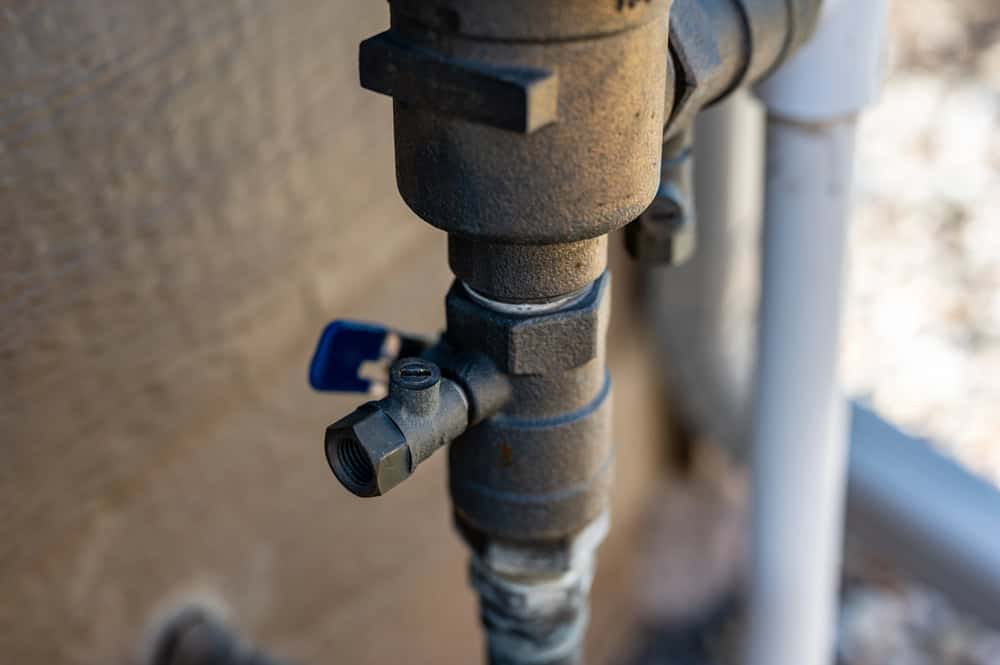
- Turn off and drain water lines to prevent freezing and expansion inside pipes.
- Disconnect hoses from outdoor faucets and appliances.
- Clean and cover sinks, counters, and prep areas to prevent staining and freeze damage.
- Empty and clean refrigerator units, ice makers, and beverage coolers to avoid mechanical issues.
- Protect built‑in grill burners and ignition systems from moisture by using fitted covers and cleaning burners before covering.
- Seal porous stone countertops, such as granite or concrete, to reduce cracking from freeze–thaw expansion.
- Clear grease traps and storage drawers, ensuring pests aren’t attracted over the winter.
If your outdoor kitchen includes plumbing fixtures or gas lines, consider a professional inspection to make sure all connections are secure and properly winterized.
Fire Pits and Fireplaces
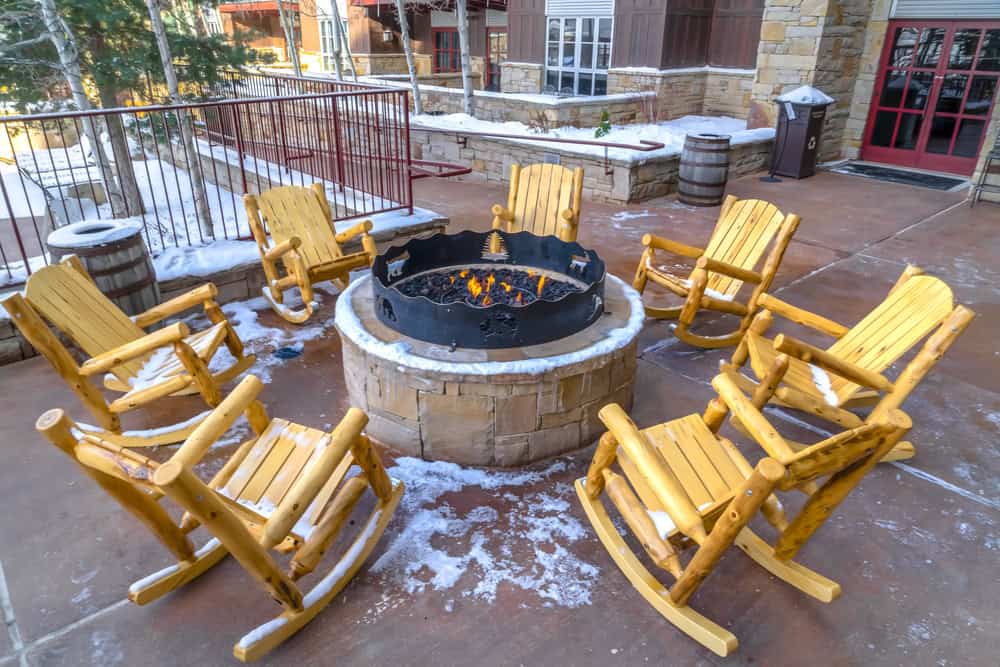
Fire features add warmth and ambiance but also require winter maintenance to function safely and efficiently.
For wood‑burning features:
- Remove ash, soot, and debris to prevent moisture buildup.
- Store unused firewood in elevated, waterproof containers to protect from rot.
- Check firebrick and mortar for cracks caused by temperature changes.
For gas fire pits and fireplaces:
- Cover burners and ignition components with weatherproof lids.
- Inspect gas lines for wear or exposed areas.
- Ensure drainage ports aren’t clogged, preventing water accumulation and freezing.
Patios and Hardscapes
Hardscapes experience the brunt of North Texas freeze–thaw cycles, which can cause movement, cracking, or surface damage.
To protect patios, walkways, and other surfaces:
- Seal natural stone and pavers before winter to prevent moisture absorption.
- Clear leaves, acorns, and debris to avoid surface staining and slippery conditions.
- Check drainage paths to ensure water flows away from foundations, patios, and outdoor kitchens.
- Re-fill polymeric sand between pavers if joints look washed out, this reduces shifting during freezes.
- Inspect retaining walls for bulges or gaps caused by soil expansion.
- Avoid using harsh salt-based de-icers, which can damage stone and concrete. Opt for pet-safe, plant-safe alternatives if needed.
Properly maintained hardscapes last longer and require fewer repairs in the spring.
For custom solutions, visit our Outdoor Living Spaces page.
Seasonal Landscape Maintenance Around Outdoor Spaces
Winterizing the surrounding landscape protects hardscapes, improves aesthetics, and prevents long-term plant stress.
1. Mulch for Soil Stability
Mulching helps regulate soil temperature and reduce moisture loss.
- Maintain 2–3 inches around beds and trees
- Keep mulch away from trunks and stems
2. Prune Select Plants
Avoid major pruning in winter, but light trimming of dead material can:
- Improve airflow
- Prevent pest hiding spots
- Reduce debris blowing into outdoor living areas
3. Manage Watering During Dry Spells
Even dormant plants need moisture.
- Water every 2–4 weeks when temperatures remain above freezing
4. Protect Container Plants
Potted plants are more susceptible to freezing.
- Move them near walls or inside covered patios
- Elevate containers for better drainage
Learn more in our Seasonal Landscape Maintenance resources.
Winter Ready: Pergolas, Shade Structures, and Outdoor Lighting
Outdoor structures and lighting systems need attention before harsh winter weather. Even though North Texas winters are generally mild, wind, moisture, and freeze–thaw cycles can shorten the lifespan of pergolas, shade structures, and lighting installations if not properly maintained.
Pergolas and Shade Structures
Pergolas, arbors, and shade structures face year-round exposure, but winter brings unique stressors that require extra care.
To keep these structures winter‑ready:
- Inspect wood for cracks, warping, or softening caused by moisture intrusion. Seal exposed or aging areas with a weather‑resistant sealant to prevent rot.
- Check for loose bolts, screws, or brackets, which can become more pronounced as wood expands and contracts in fluctuating temperatures.
- Clean overhead canopies, fabric tops, or shade sails to remove pollen, dust, and debris. Once clean, store fabric items indoors to prevent mildew, fading, or tearing during winter winds.
- Examine posts and footings for stability, especially if soil has shifted during freeze–thaw cycles.
- Treat metal components with rust inhibitors, particularly if your structure includes steel brackets or decorative elements.
- Trim nearby tree branches that could fall onto pergolas or structures during strong winter fronts.
Taking these steps helps prevent long-term deterioration and ensures your shade structures remain safe and functional.
Outdoor Lighting
Outdoor lighting plays an important role in both aesthetics and safety during shorter winter days. Proper preparation ensures reliability and prevents costly repairs in spring.
Key winter lighting care includes:
- Replace dim or flickering bulbs before temperatures drop, as cold weather can worsen performance.
- Inspect exposed wiring, junction boxes, and connectors for wear, cracking, or signs of moisture penetration. Repairing issues now prevents electrical hazards.
- Clean lenses and fixtures to remove dirt, bugs, and debris that can block light output, especially important for pathway lighting.
- Adjust timers for shorter daylight hours to ensure pathways, patios, and entries remain well-lit during evening hours.
- Check landscape spotlights and uplights for proper positioning after fall leaf cleanup or wind shifts.
- Verify GFCI outlets and transformers are functioning properly, particularly if moisture exposure is common.
Well-maintained lighting improves safety, enhances nighttime visibility, and highlights architectural features even during the winter months.
Preparing Pools, Water Features, and Spas
Water features must be protected to avoid expensive repairs.
Pools
- Reduce water level where needed
- Protect equipment from freezing
- Use a winter cover to reduce debris
Fountains and Waterfalls
- Drain pumps and tubing
- Cover basins to prevent ice expansion
Hot Tubs and Spas
- Clean filters
- Balance chemicals
- Keep insulated covers closed when not in use
Preventing Wind and Freeze Damage
North Texas winds can exceed 40 mph during winter fronts.
Prevent damage by:
- Securing furniture to walls or posts
- Removing umbrellas from patio tables
- Anchoring lightweight décor
- Protecting outdoor curtains with tiebacks
Freeze–thaw cycles can also shift soil and hardscapes.
- Inspect retaining walls
- Check for gaps in paver joints
The Benefits of Winterizing Outdoor Living Areas in Texas
Proper winter preparation provides:
- Longer lifespan for furniture and structures
- Reduced spring cleanup costs
- Improved safety and stability
- Better appearance through the off-season
- Healthier surrounding landscaping
A proactive approach ensures your outdoor living area remains beautiful and usable year-round.
Winterize Hardscapes
Winterizing outdoor living spaces in North Texas is essential for protecting your investment and ensuring your yard, patio, and outdoor structures remain in excellent condition. From safeguarding patio furniture to preparing outdoor kitchens, lighting, and landscaping, each step strengthens your space against unpredictable Texas winter weather.
Ready to prepare your outdoor living space for winter? Ellis Landscaping Services provides expert guidance, seasonal maintenance, and custom solutions tailored to North Texas homes.
Contact us today for:
- Seasonal landscape maintenance
- Patio and outdoor living winter prep
- Drainage and hardscape inspections
- Custom design updates for spring
Your outdoor living space deserves year-round care so start winterizing today.