
For commercial landscape maintenance in North Texas, the contract answers four questions. What routine work is included? How often do crews visit in each season? What counts as extra work, and who approves it? Routine work usually covers mowing, edging, bed care, shrub pruning, litter pickup and irrigation checks. New plantings, repairs and storm cleanup are usually priced and approved separately. A good contract also says how storms are handled and who keeps the sprinklers inside local watering rules.
This guide goes through each part of the contract in the order a property manager or HOA board would read it. It is general guidance for offices, retail centers, HOA common areas and similar sites. For the services Ellis Landscape Services offers to businesses, see the commercial landscaping services page.
What the Base Contract Usually Includes
The base contract, often called the scope of work, lists the jobs done on every visit or on a set calendar. Most commercial landscape maintenance services share the same core list:
- Turf: mowing, string trimming, and edging along walks, curbs and beds.
- Beds: hand weeding, clean bed edges, and a mulch refresh if the contract names one.
- Shrubs and small trees: pruning that keeps walkways, signs and sight lines clear.
- Cleanup: litter and debris pickup in landscaped areas, and blowing off walks after each visit.
- Leaves: seasonal leaf removal, with the number of passes written down.
- Irrigation: a system check at set times, with repairs quoted separately.
- Reporting: a short note or photo after visits that flags problems.
The words in the scope sheet matter more than the price line. "Weekly mowing" with no season attached can mean mowing all year or only while the grass grows. A scope that names each task, its frequency and its season leaves far less room for argument later.
“Get the scope in writing before the first visit. When both sides read the same list, the work goes smoothly.”Keir Hamlin, Founder, Ellis Landscape Services

Base contract or extra? A quick comparison
| Item | Usually in the base contract | Usually extra |
|---|---|---|
| Mowing, trimming, edging | Yes, on the visit calendar | Added visits outside the calendar |
| Bed weeding | Yes, on routine visits | Full bed renovation |
| Mulch | Only if a refresh is named | Extra depth or new beds |
| Shrub pruning | Routine shaping | Removals and large tree work |
| Leaves | The passes written in the scope | Passes beyond that number |
| Irrigation | Scheduled checks and controller changes | Parts, repairs and new zones |
| Seasonal color | Only if named | Most change-outs |
| Storm debris | Small debris on normal visits | Fallen trees, large limbs, extra crews |
| Weed and pest treatments | Only if named, by a licensed applicator | Added treatments |
Ellis Landscape Services has served DFW since 2011 and is licensed and insured. Ready to transform your North Texas landscape? Call Ellis Landscape Services at (817) 709-9599 or email info@ellisdfw.com to request your free consultation.
Visit Schedule by Season in North Texas
Visits follow the grass, not the calendar page. Warm-season lawns such as bermudagrass grow from spring into fall and go dormant in winter. Texas A&M AgriLife notes that bermudagrass often needs mowing weekly during the growing season. So a contract usually sets more visits in the growing season and fewer in winter.
| Season | Typical visit focus | Timing notes from Texas sources |
|---|---|---|
| Winter (December to January) | Litter and leaf pickup, dormant pruning, irrigation off or sharply reduced | AgriLife says to turn off or sharply reduce irrigation from late fall to early spring while grass is dormant. |
| Late winter and spring (February to May) | Mowing restarts at green-up, bed cleanup, spring weed prevention if contracted | AgriLife: crabgrass usually germinates in early March in North Texas. Texas A&M Forest Service: do not prune or wound oaks from February through June. |
| Summer (June to August) | Full mowing calendar, irrigation checks, heat stress watch | Never remove more than one-third of the leaf blade in one mowing (AgriLife). Fort Worth bans sprinkler watering from 10 a.m. to 6 p.m. |
| Fall (September to November) | Mowing tapers, leaf removal starts, fall weed prevention if contracted | AgriLife: fall pre-emergents go down from mid-August to mid-September, unless the lawn is overseeded with ryegrass. |
Oak work deserves its own line in the contract. The Texas A&M Forest Service says oaks should not be pruned or wounded from February through June, to slow the spread of oak wilt. It also says to paint every oak wound, whatever the month. Sites with mature oaks should schedule that pruning for the cooler months outside that window.
Mowing heights for commercial lawn care in North Texas

A scope that names a mowing height protects the turf. AgriLife lists these optimal heights, assuming the lawn is mowed often enough:
| Grass | Height range | Optimal height |
|---|---|---|
| Common bermudagrass | 1 to 3 inches | 1.5 inches |
| Hybrid bermudagrass | 0.75 to 2 inches | 1 inch |
| St. Augustinegrass | 2.5 to 4 inches | 2.5 inches |
| Zoysia japonica (coarse bladed) | 1 to 2.5 inches | 1.5 inches |
| Buffalograss | 2 to 4 inches | 2.5 inches |
The same guide warns that many newer bermudagrass and zoysiagrass varieties need a height at or below one inch. A rotary mower cannot cut that well. If a site has that turf, the contract should say which mower is used.
What Is Usually Extra: Enhancements and Repairs
Anything that changes the landscape, rather than keeping it up, is usually extra. Contractors often call this enhancement work. Common examples:
- New plantings, bed redesigns and seasonal color not named in the scope
- Irrigation repairs, parts and new zones
- Drainage fixes where water stands after rain
- Large tree work and removals
- Hardscape, lighting and entrance upgrades
Larger projects belong with landscape design and installation, quoted on their own. One more note on weed control. The Texas Department of Agriculture says anyone who applies pesticides to lawns, trees and ornamentals for hire needs a TDA license. Fertilizer-only work is exempt. A contract that includes weed control should name who holds that license.
Who Approves Extra Work
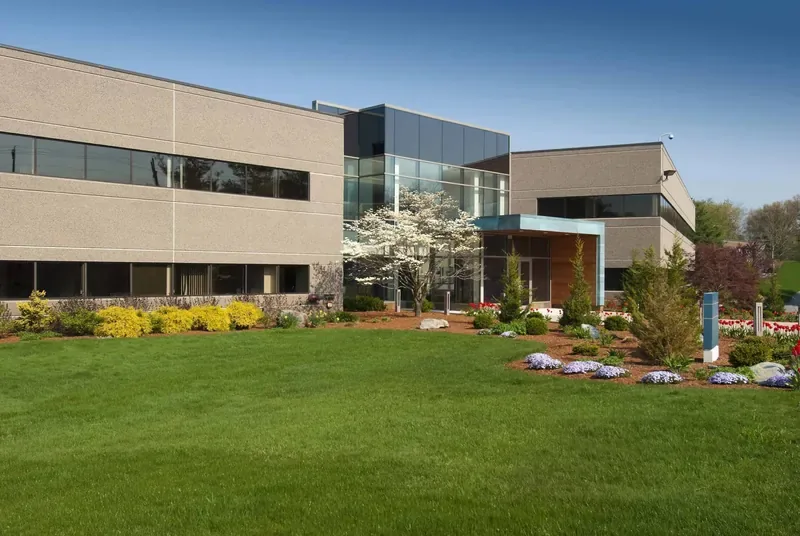
The approval clause prevents most billing disputes. It names who can say yes, up to what amount, and in what form. A typical split of roles looks like this:
| Role | Usual part in approvals |
|---|---|
| Owner or HOA board | Sets the yearly budget and approves large projects |
| Property manager | Approves work orders up to a set dollar limit |
| Contractor's account contact | Sends written proposals with photos and a price |
| Crew lead | Flags problems on site, but does not approve spending |
Write these points into the contract:
- A dollar limit the property manager can approve alone
- Written approval, email included, before extra work starts
- An emergency exception for hazards, such as a limb over a walkway, with a cap and same-day notice
- Before and after photos on every extra invoice
- Extra work billed on its own line, not folded into the monthly fee
Storm Response Clauses
Storms in North Texas can drop heavy rain in short bursts and bring down limbs. A storm clause decides what happens the morning after. Without one, cleanup waits for the next routine visit or turns into a surprise bill. A useful storm clause covers:
- What counts as a storm event, as opposed to normal debris
- Which areas are cleared first, usually entrances, walkways, parking and fire lanes
- A target response time after the property manager calls
- How storm work is priced: a set rate, hourly, or a quote first
- Who handles hazard trees, since large tree work may need a specialist
- Photos of the damage, which help with insurance claims
- An irrigation check afterward, since broken heads waste water and can break city rules
Ellis founder Keir Hamlin has 25+ years in the green industry. Ready to transform your North Texas landscape? Call Ellis Landscape Services at (817) 709-9599 or email info@ellisdfw.com to request your free consultation.
Irrigation and Water Rules in Brief
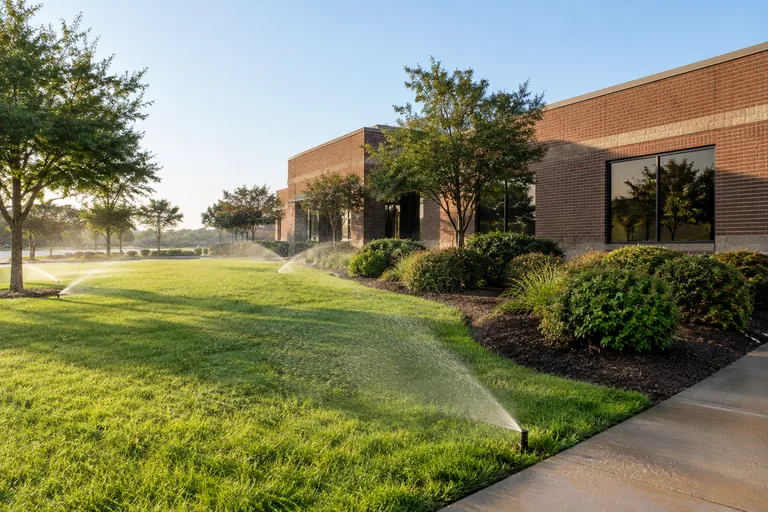
Each city sets its own watering rules, so the contract should name who keeps the controller in line with them. In Fort Worth, the city's twice-per-week schedule sets these rules for non-residential sites:
- Sprinkler days for businesses, apartments, parks and common areas are Tuesday and Friday.
- Monday is a no-sprinkler day for every customer.
- No sprinkler watering from 10 a.m. to 6 p.m.
- Rain and freeze sensors are required on all commercial systems, with a yearly inspection.
- Runoff and missing, misaligned or broken heads are violations, with fees that rise on each repeat.
TCEQ says cities of more than 20,000 people must have their own irrigation ordinances, so rules in other cities can differ from Fort Worth. TCEQ also says landscape irrigators in Texas must be licensed to design, install or repair irrigation systems. It advises property managers to check that bids and invoices show the irrigator's name and license number. Ellis founder Keir Hamlin is TCEQ Licensed Irrigator #20021. See irrigation and drainage and the guide to Tarrant County watering rules for more.
How Property Types Change the Contract
The scope stays similar across commercial landscape management, but the priorities shift with the site. The table below is general guidance, not a list of Ellis clients.
| Property type | What usually matters most | Points to write into the contract |
|---|---|---|
| Office building or campus | Clean entrances and first impressions | A visit day and time away from peak arrivals; entrance beds on every visit |
| Retail center | Clear views of signs and storefronts, litter | Sight lines around signs; litter pickup frequency; work before stores open |
| HOA common areas | Entrances, medians and shared amenities | Board approval rules; the budget cycle; how resident requests reach the contractor |
| Apartment community | Walkways, pool and play areas | Safety pruning along walks; notice before work near units |
| Medical office or senior living | Safe, clear paths | Trip hazards in beds and walks; quiet hours for loud equipment |
| Industrial or warehouse | Basic tidiness and access | Fewer detail visits; fence lines; drainage near loading areas |
A Contract Checklist Before Signing
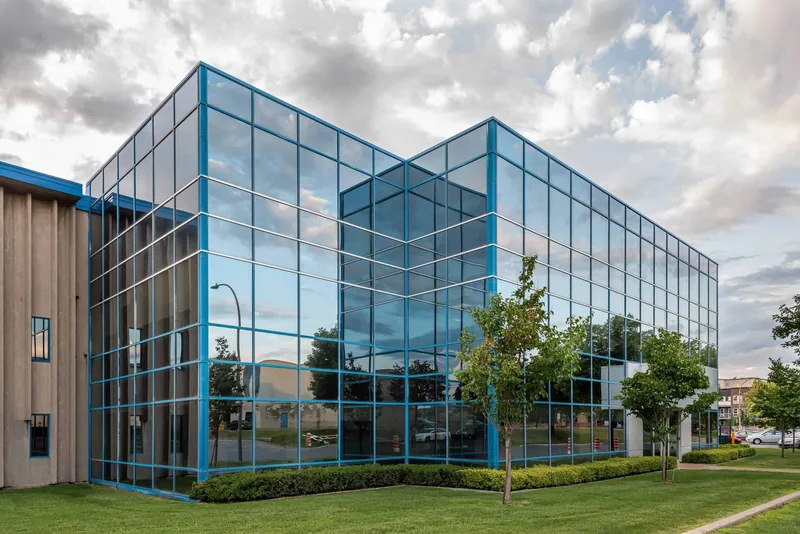
Before signing, check that the contract holds each of these:
- A scope sheet that lists each task, its frequency and its season
- A visit calendar for the full year, winter included
- Mowing heights for each turf type on the site
- A dollar limit and a written process for extra work
- A storm clause with priorities, response time and pricing
- Who manages irrigation, and the irrigator's TCEQ license number
- Who holds the TDA license, if weed or pest treatments are included
- Contract length, renewal date and how either side can end it
Getting a Contract That Fits the Property
Ellis Landscape Services offers commercial landscaping, landscape maintenance, and irrigation and drainage across Tarrant County and western DFW. Ellis does not quote flat prices. Each property starts with a free consultation. Ellis has served DFW since 2011, is licensed and insured, and founder Keir Hamlin is TCEQ Licensed Irrigator #20021.
Ready to transform your North Texas landscape? Call Ellis Landscape Services at (817) 709-9599 or email info@ellisdfw.com to request your free consultation.