
Commercial landscape construction in Fort Worth means building the landscape on a new or rebuilt commercial site. That covers grading, drainage, irrigation installation, soil preparation, planting, hardscape and lighting. Landscape enhancements are different. They upgrade a property that already has a landscape. Typical examples are new entry beds, plant replacement, hardscape upgrades, added lighting and water-wise conversions. Both kinds of work have to handle North Texas clay, summer heat, winter freezes and the city's watering schedule. In Fort Worth, new construction that needs a building or grading permit also needs an Urban Forestry permit from the city.
This guide sets the two side by side and walks through the usual steps of a project. It also shows which Ellis Landscape Services work fits each part.
Ready to transform your North Texas landscape? Call Ellis Landscape Services at (817) 709-9599 or email info@ellisdfw.com to request your free consultation. Ellis has served DFW since 2011, and founder Keir Hamlin is TCEQ Licensed Irrigator #20021.
What Counts as Commercial Landscape Construction
Construction is the landscape part of a new build or a full site rebuild. It starts with the ground itself, before any plant goes in.
- Grading: shaping the soil so water moves away from buildings, walks and parking.
- Drainage: swales, area drains or French drains where grading alone cannot move the water.
- Irrigation installation: mainlines, valves, zones, spray heads or drip, plus the controller and sensors.
- Soil preparation: loosening compacted soil and working in organic matter before beds are planted.
- Planting: trees, shrubs, beds, and turf from sod or seed.
- Hardscape: walkways, plazas, seat walls, retaining walls and edging.
- Lighting: wiring, fixtures and timers for entries, walks and signs.
Much of this work ends up buried. Pipe, sleeves, wire and drains go in before planting, so the order of work matters as much as the drawing.
What Counts as a Landscape Enhancement
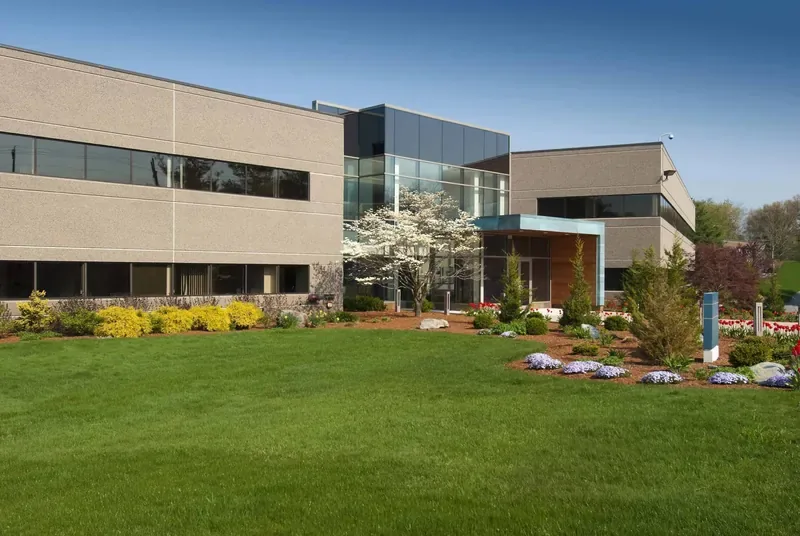
An enhancement improves a commercial landscape that is already in place. The site stays open, so the work has to fit around tenants, customers and traffic.
- Entry beds: new or rebuilt beds at the sign, the main door or the drive.
- Plant replacement: swapping out failed, overgrown or freeze-damaged plants.
- Hardscape upgrades: new walkways, seating areas or edging, or repairs to old ones.
- Lighting: adding or updating fixtures on entries, signs and paths.
- Water-wise conversion: replacing turf in hard-to-water strips with adapted plants, mulch and drip.
- Drainage fixes: regrading or adding drains where water stands after storms.
Enhancements can be phased one area at a time. That way the whole property never looks like a work zone.
Construction and Enhancements Compared
| Question | Construction | Enhancements |
|---|---|---|
| Starting point | Bare or cleared ground, or a full rebuild | A working landscape that needs upgrades |
| Typical scope | Grading, drainage, irrigation, soil, planting, hardscape, lighting | Entry beds, plant swaps, hardscape upgrades, lighting, water-wise changes |
| Schedule set by | The building or site schedule | The owner's budget and the season |
| Fort Worth city review | Urban Forestry permit when a building or grading permit is needed | Check with the city; paving, grading and large additions can trigger review |
| Irrigation | A new system designed with the site | The existing system adjusted, extended or converted |
| Effect on the site | Site closed to the public | Work around tenants, customers and traffic |
| Main planning job | Getting the order of work right | Phasing, and matching what is already there |
Typical Steps of a Commercial Landscape Project
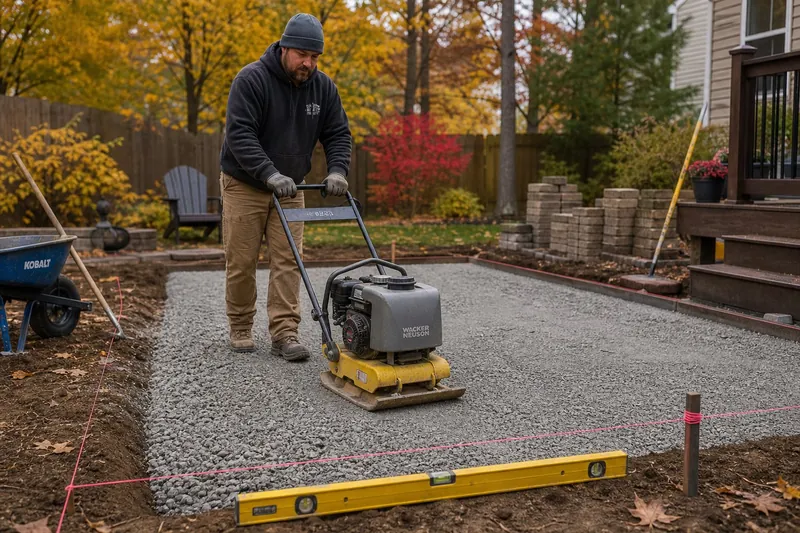
Every site is different, but most construction projects follow a similar order. Enhancements use a shorter version of the same steps.
- Site walk and goals: how the property is used, what the owner needs, and where water goes now.
- Design and plans: planting, irrigation, hardscape and lighting drawn together so they do not clash.
- City review: the permits and plans the city asks for, such as a Fort Worth Urban Forestry permit.
- Grading and drainage: the ground is shaped and drains are set before anything else.
- Irrigation, sleeves and hardscape: pipe, sleeves under paving, lighting wire and paving go in.
- Soil preparation: beds are loosened and amended.
- Planting and turf: trees first, then shrubs and beds, then sod or seed.
- Establishment watering: new plants and turf are watered within the city's rules, or under an approved variance.
- Handover to maintenance: a care plan so the new landscape gets through its first summer.
For an enhancement, steps 1, 2, 6, 7 and 8 usually carry most of the work. Drainage and irrigation changes are added where the site needs them.
“Plan the water first. Where rain runs and where the irrigation reaches decide how every bed and walkway holds up.”Keir Hamlin, Founder, Ellis Landscape Services
Ready to transform your North Texas landscape? Call Ellis Landscape Services at (817) 709-9599 or email info@ellisdfw.com to request your free consultation. Ellis is licensed and insured, with 25+ years in the green industry behind its founder.
North Texas Conditions That Shape the Work
A plan copied from another region will struggle here. The conditions below come from official weather, extension and city sources.
Clay soil
Texas A&M AgriLife Extension notes that clay soils hold too much water and do not let enough air into the soil. Its soil preparation guide says to work organic matter in before planting, in a layer no deeper than 4 inches. On a new site, check beds for compaction before anything is planted.
Summer heat
The National Weather Service office for Fort Worth says July and August highs sit in the 90s and often reach 100 degrees or more. Some nights stay above 80. Plants set out in that stretch face the hardest start, so set planting dates with the heat in mind.
Freezes
NWS records for Dallas/Fort Worth give an average first freeze of November 22 and an average last freeze of March 12. The latest last freeze on record came on April 13. NWS also notes that the airport sees fewer freezes than suburban and rural areas on the outer edges of the Metroplex. Plant choices and irrigation shutoffs both need a plan for cold.
Storms and drainage
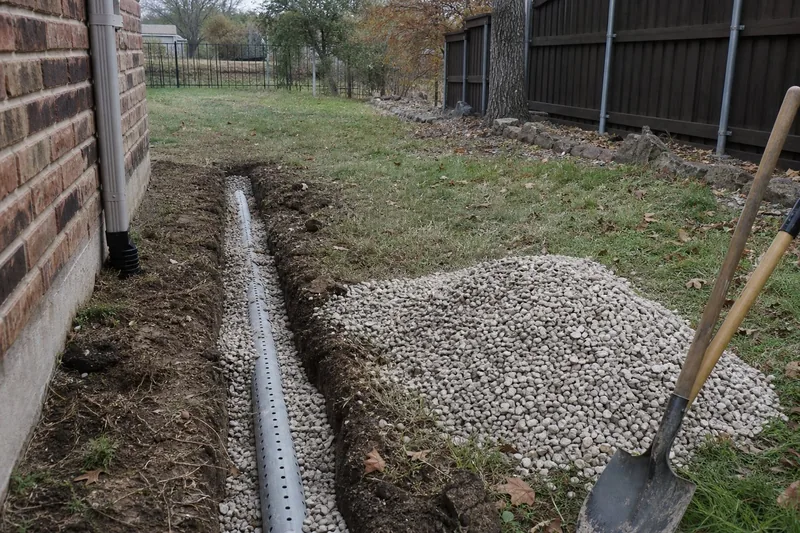
Spring and fall are usually the wettest seasons, according to NWS, and most of that rain comes from thunderstorms. Yearly totals have ranged from under 20 inches to over 50. A commercial site has to move sudden storm water off roofs, lots and walks without washing out beds.
Watering rules, in brief
The City of Fort Worth watering rules apply all year. The key points for new and upgraded commercial landscapes:
- Irrigation systems and sprinklers run no more than two days a week.
- Non-residential sites water on Tuesday and Friday.
- Systems may not run from 10 a.m. to 6 p.m.
- Commercial systems need rain and freeze sensors, with a yearly inspection.
- New sod, seed or hydromulch can get a variance for up to 30 days in a row of establishment watering.
- Hand watering with a hose is allowed at any time.
Other cities set their own schedules, so check the local rules for sites outside Fort Worth.
City Requirements: What to Check Before Building
Fort Worth ties tree rules to development. The city's Urban Forestry page says a permit is required for, among other things:
- New construction that requires a building or grading permit.
- Building expansions or additions over 3,000 square feet or 30 percent of the existing structure.
- Clearing, grading or paving, including building or rebuilding a parking lot.
The ordinance works toward the city's goal of 30 percent overall tree canopy. It asks owners to keep part of the existing canopy and plant new trees, with credits for saving mature, healthy trees. Landscape plan rules, plant lists and review steps can change. Confirm what applies to a site with the City of Fort Worth Development Services department before the design is final.
Flower Mound commercial landscaping and other nearby cities
The Ellis service area covers 12 communities, and each city sets its own rules. A site in Flower Mound, Keller, Southlake or Grapevine answers to that city's planning and permit staff, not to Fort Worth. Ask the city early, before the design is drawn.
Planning Around the Seasons
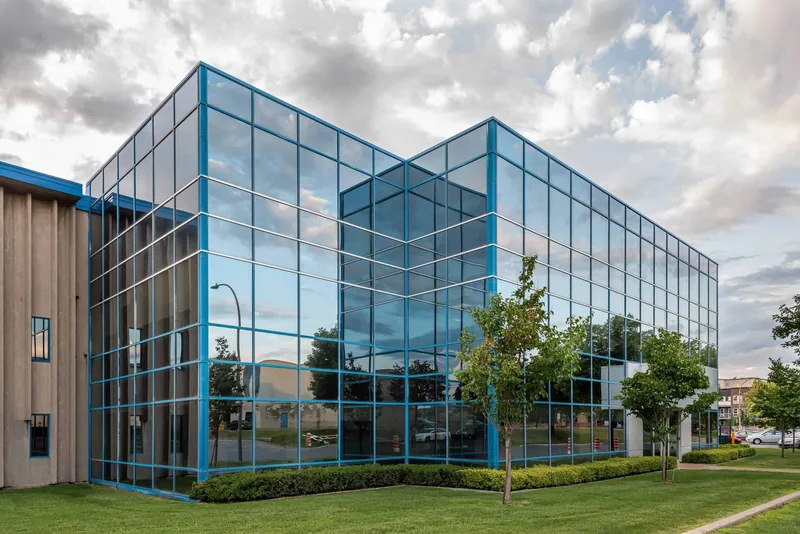
The season shapes plant survival, watering needs and how much work a busy site can handle. The weather notes below come from the NWS figures above.
| Season | What the weather does | Often a good fit for |
|---|---|---|
| Fall | One of the two wettest seasons; average first freeze is November 22 | Planting trees, shrubs and beds once summer heat breaks; entry bed upgrades |
| Winter | Freezes possible; average last freeze is March 12 | Grading, drainage, hardscape, irrigation and lighting installs; design and permits |
| Spring | Wet, with thunderstorms | Planting after freeze risk drops; checking drainage after storms |
| Summer | Highs in the 90s, often 100 or more | Hardscape and lighting; planning fall planting |
For a new building, the landscape date usually follows the building schedule. If the finish date lands in July or August, plan establishment watering, and any city variance for new turf, ahead of time.
How Ellis Services Map to Each Part
Ellis Landscape Services offers each part of the work below. Ellis does not quote flat prices; each project starts with a free consultation.
| Part of the project | Ellis service |
|---|---|
| Site and planting design, new beds, plant replacement | Landscape design and installation |
| Drainage fixes, irrigation installs and conversions | Irrigation and drainage; founder Keir Hamlin is TCEQ Licensed Irrigator #20021 |
| Walkways, patios, seat walls, edging | Outdoor living and hardscaping |
| Fountains and other water features | Water features |
| Entry, sign and path lighting | Landscape lighting |
| Care after handover | Landscape maintenance |
| The whole commercial property | Commercial landscaping in Fort Worth, TX |
Questions Property Managers Ask
Is an enhancement just a small construction job?
Not quite. Construction builds a landscape from the ground up. An enhancement works inside a landscape that already has irrigation, soil and plants, so it starts by checking what is there and what still works.
Does an enhancement need a city permit in Fort Worth?
Some do. Fort Worth's Urban Forestry rules cover clearing, grading and paving, including parking lot rebuilds, and large additions. Check with the city before work that moves soil, removes trees or adds paving.
Can new sod be watered more than twice a week?
Only with an approved city variance. Fort Worth allows up to 30 days in a row of watering to establish new sod, seed or hydromulch under a variance. Hand watering is allowed at any time.
What does commercial landscape work cost?
It depends on the site and the scope. Ellis does not quote flat prices. Each project starts with a free consultation.
Start With a Site Walk
A new site and an upgrade start the same way. Walk the property and see where water, people and plants need to go. Ellis Landscape Services has served DFW since 2011, across Tarrant County and western DFW.
Ready to transform your North Texas landscape? Call Ellis Landscape Services at (817) 709-9599 or email info@ellisdfw.com to request your free consultation.